Updated 2026-08-18 · 902 Drywall Ltd.
The six levels
Levels 0 through 5 describe increasing amounts of finishing work. Most finished residential and commercial interiors are Level 4. Level 5 is a genuine upgrade, not a marketing term.
| Level | What it means | Where it is used |
|---|---|---|
| Level 0 | Board hung, no taping or finishing at all | Temporary construction, or where the final finish is undecided |
| Level 1 | Tape embedded in joint compound, tool marks acceptable | Concealed spaces above ceilings, service voids, plenums |
| Level 2 | One coat over tape and fasteners, tool marks acceptable | Garages, warehouses, substrate for tile |
| Level 3 | Two coats, no tool marks or ridges | Heavy texture or heavy wall coverings |
| Level 4 | Three coats, smooth and sanded, ready for paint | The standard for most finished walls and ceilings |
| Level 5 | Level 4 plus a skim coat over the entire surface | Critical and glancing light, gloss or dark paint |
The real difference between Level 4 and Level 5
At Level 4, joint compound covers the joints and the fastener heads. Between those areas you have bare paper board face. Those two surfaces are not identical — they absorb paint slightly differently and they reflect light slightly differently. Under flat paint and diffuse light, nobody will ever see it.
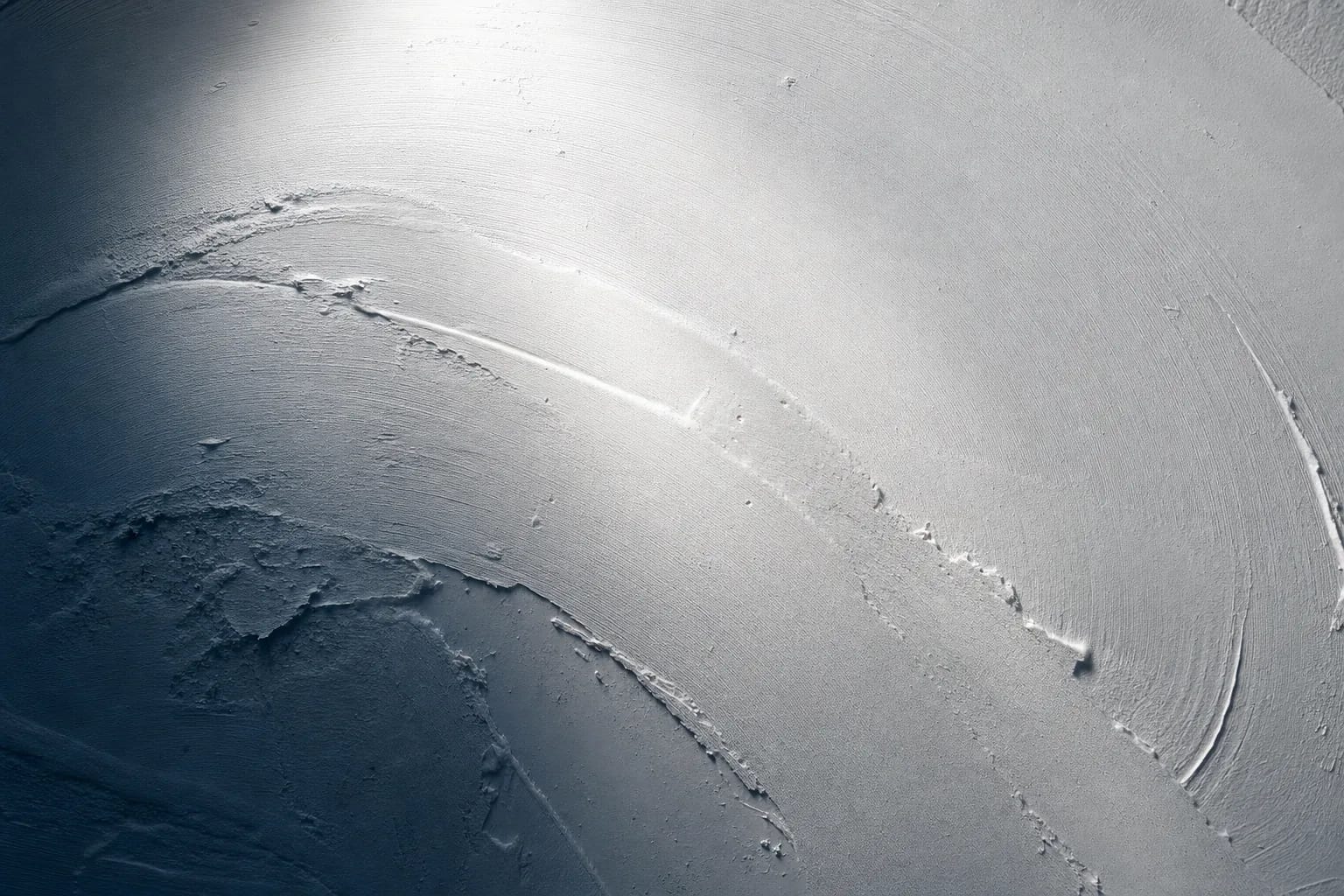
Put a light source close to that wall and rake it along the surface, and every one of those compound areas telegraphs through as a subtle band. That is called photographing or telegraphing, and once you have seen it you cannot unsee it.
Level 5 adds a thin skim coat across the entire face, so the whole wall becomes one continuous material with one consistent porosity. That is the whole point of it.
When you genuinely need Level 5
You need it in more situations than most people expect. Any of these is a strong case for it.
- Linear or cove lighting that washes down a wall
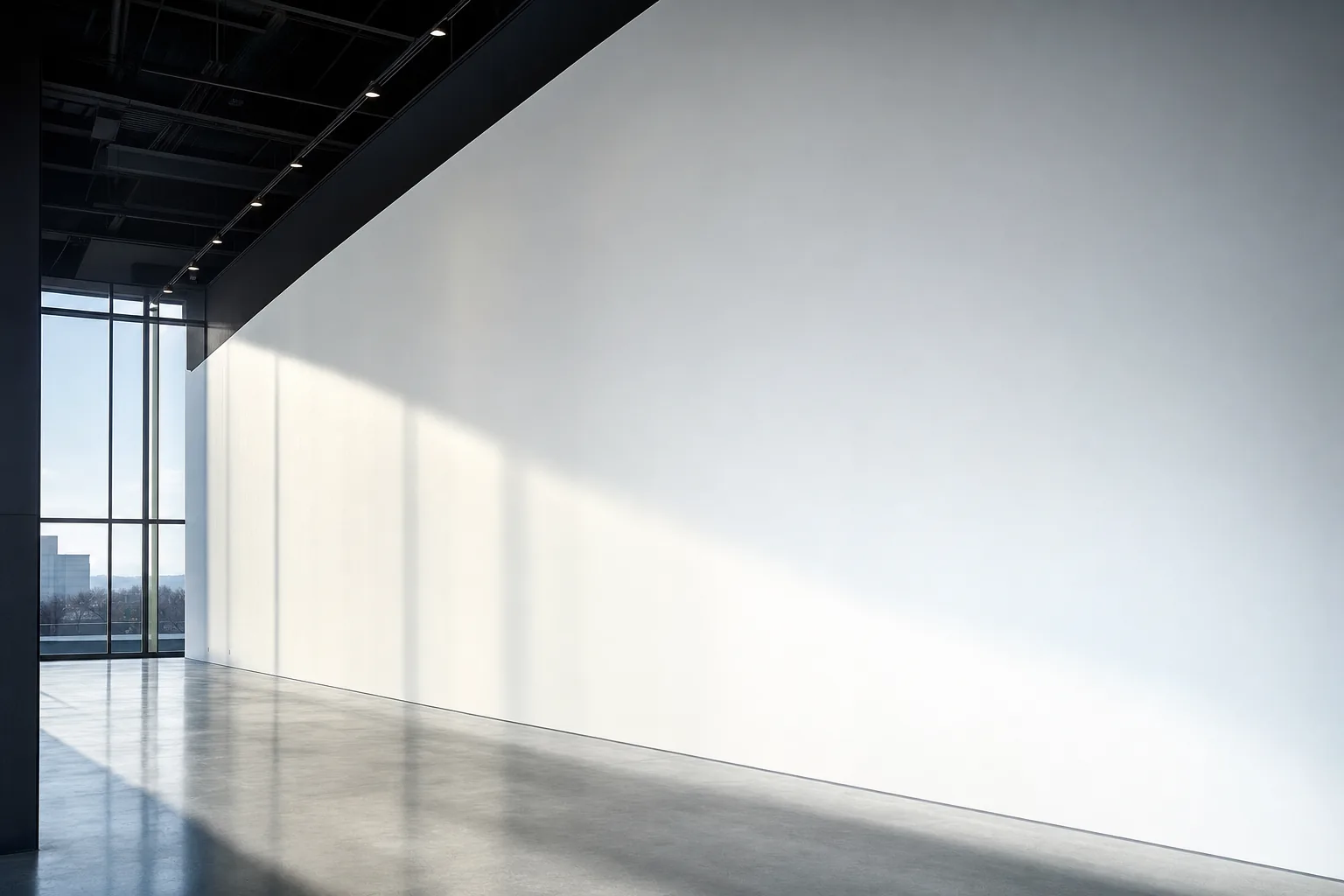
- Large windows throwing low-angle daylight along a surface
- Gloss, semi-gloss or satin paint
- Dark or heavily saturated paint colours
- Lobbies, atriums, corridors and feature walls
- Any wall that a lot of people will look at from an oblique angle
If your lighting designer has specified wall grazing or a linear cove, and your drywall specification says Level 4, those two documents are in conflict. It is worth resolving before the painter arrives.
What it costs
Level 5 typically adds $0.60 to $1.10 per square foot over Level 4, because it is a full extra operation across the entire surface plus additional sanding and inspection. On a feature wall or a lobby that is a small number. Across an entire building it is a real budget line, which is why it is usually specified selectively.
How we verify it
Before we call a Level 5 area complete, we walk it with a work light held close to the wall and raked along the surface, with your superintendent where there is one. Anything that shows gets corrected before primer, not after the painter has found it. That walkthrough is the difference between a specification and a finish.